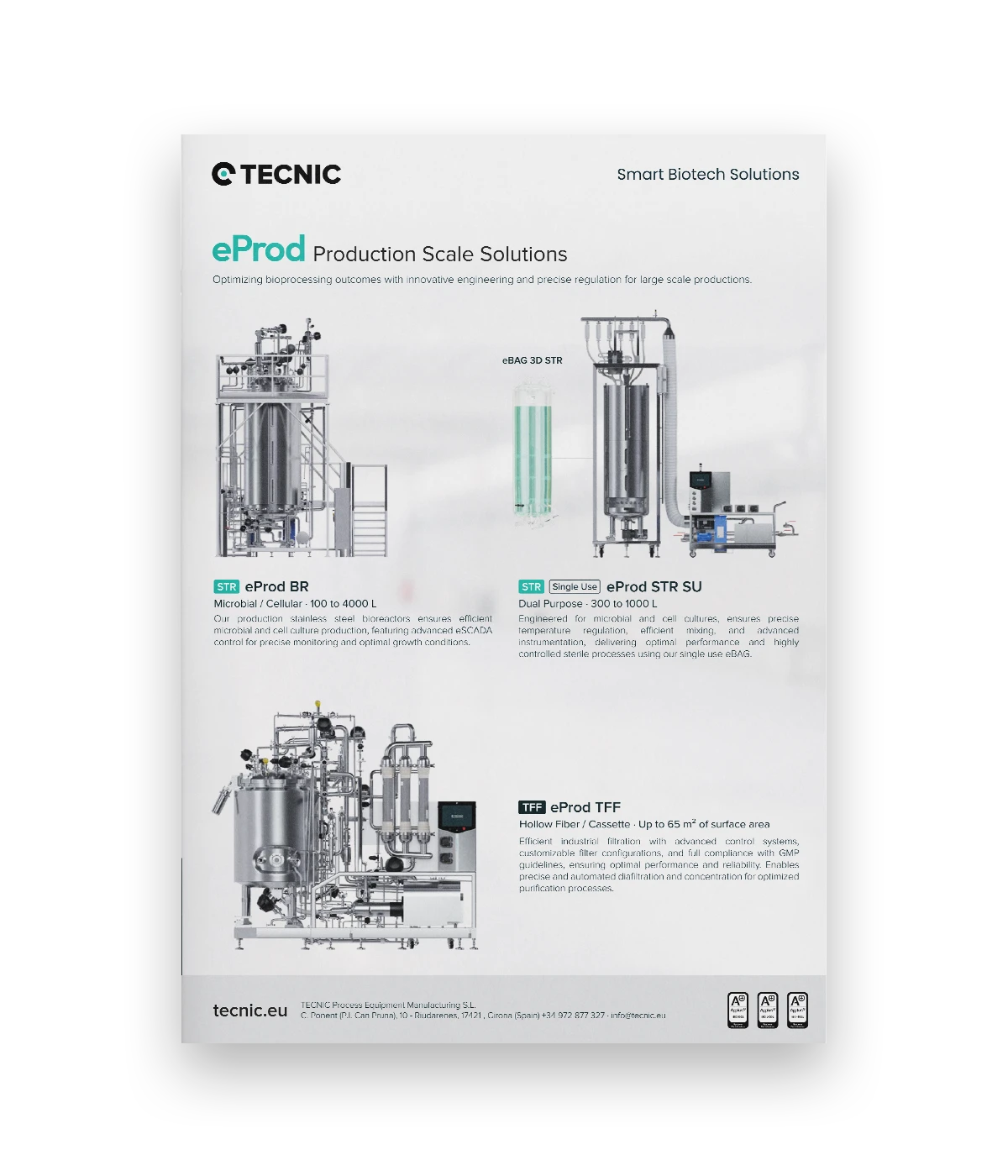
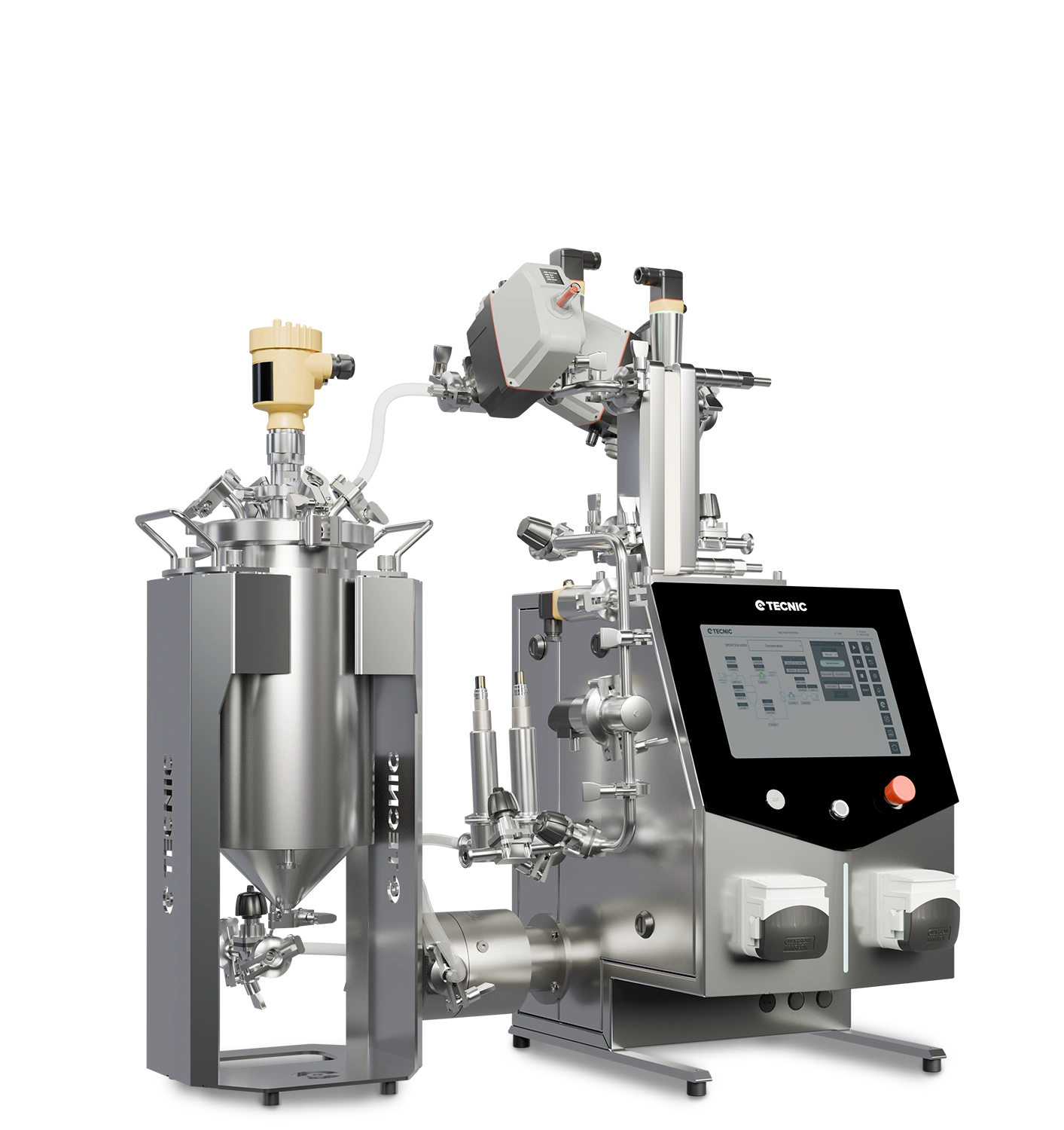
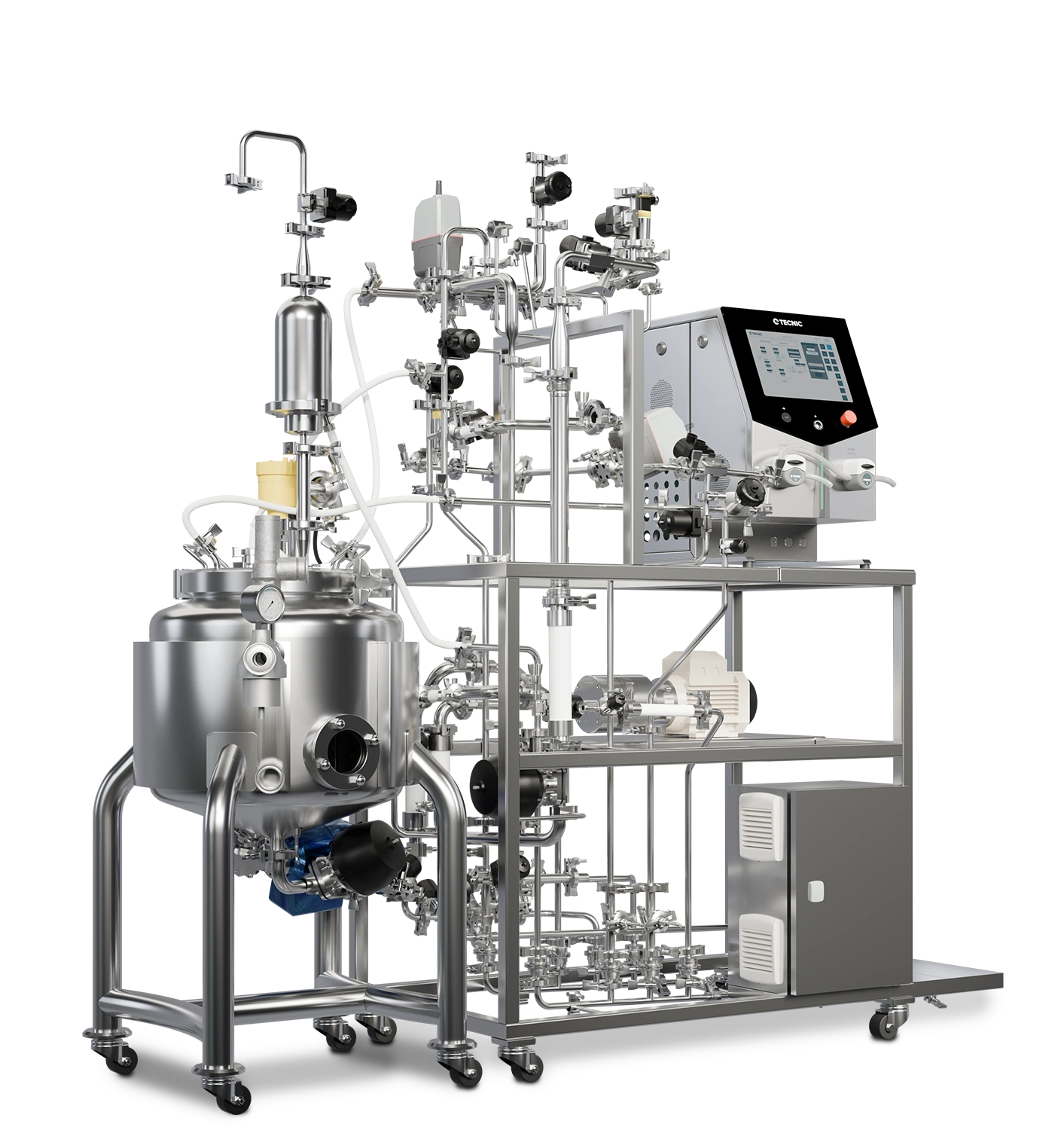
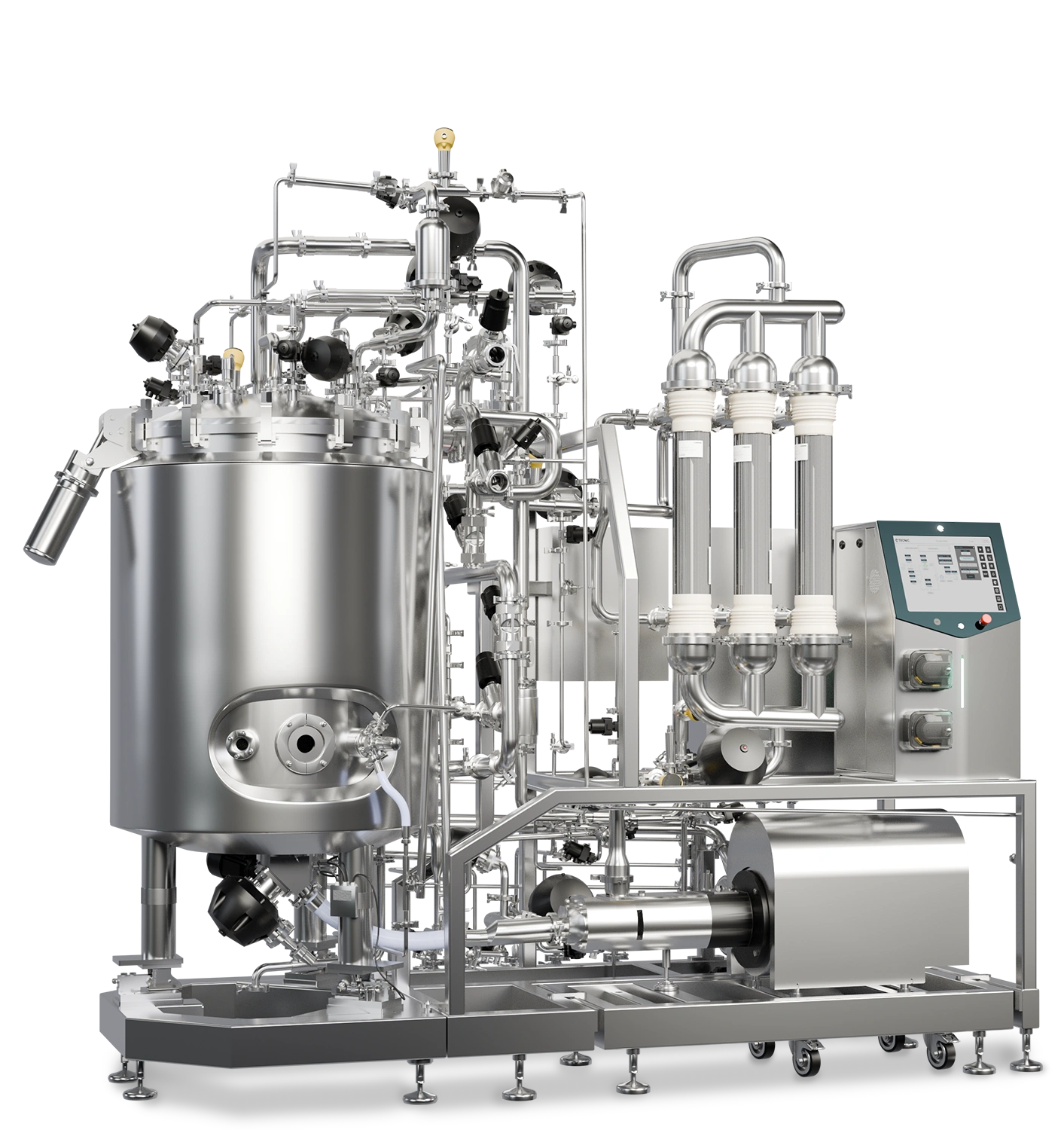

eProd Bioreactor SU
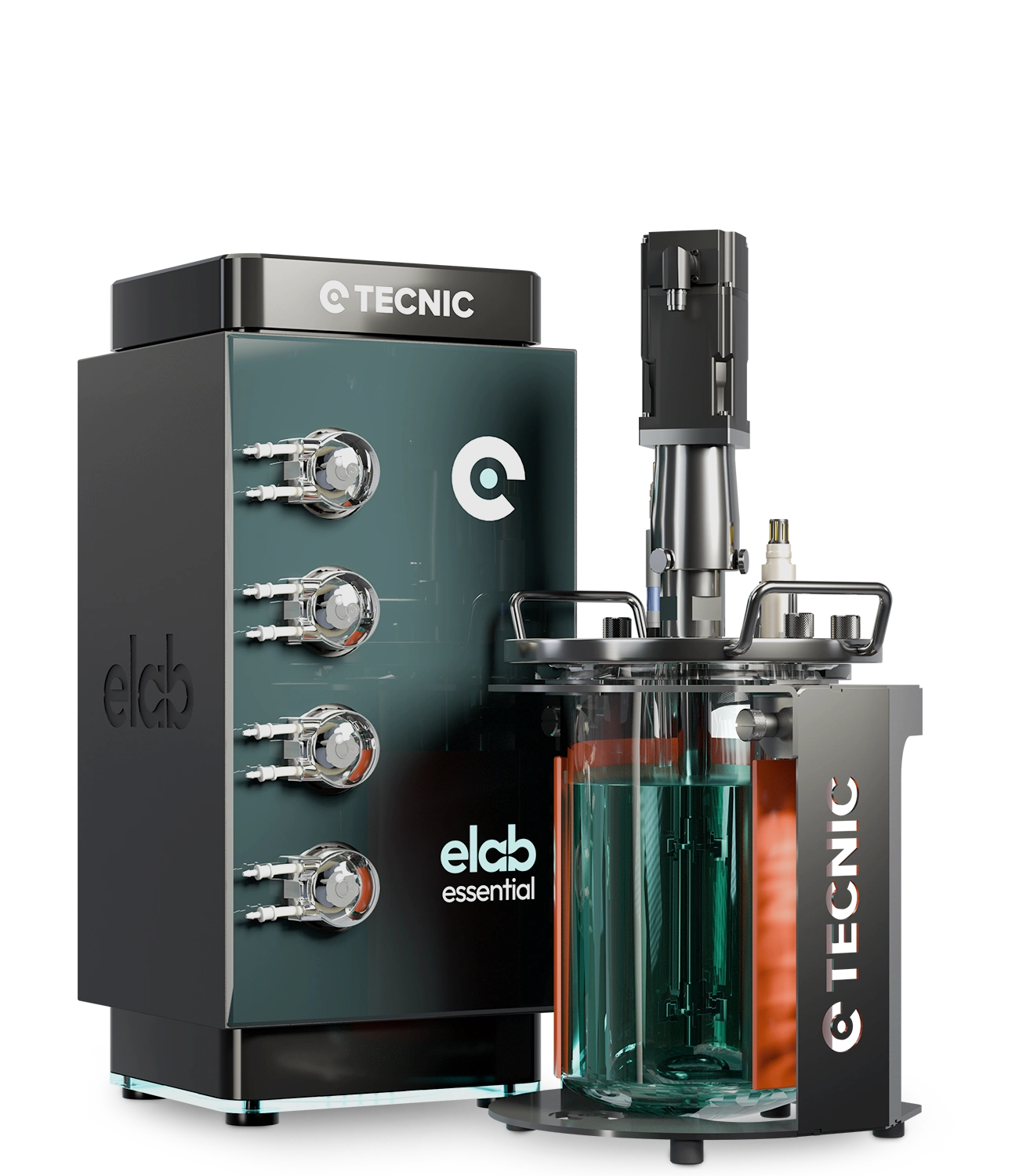
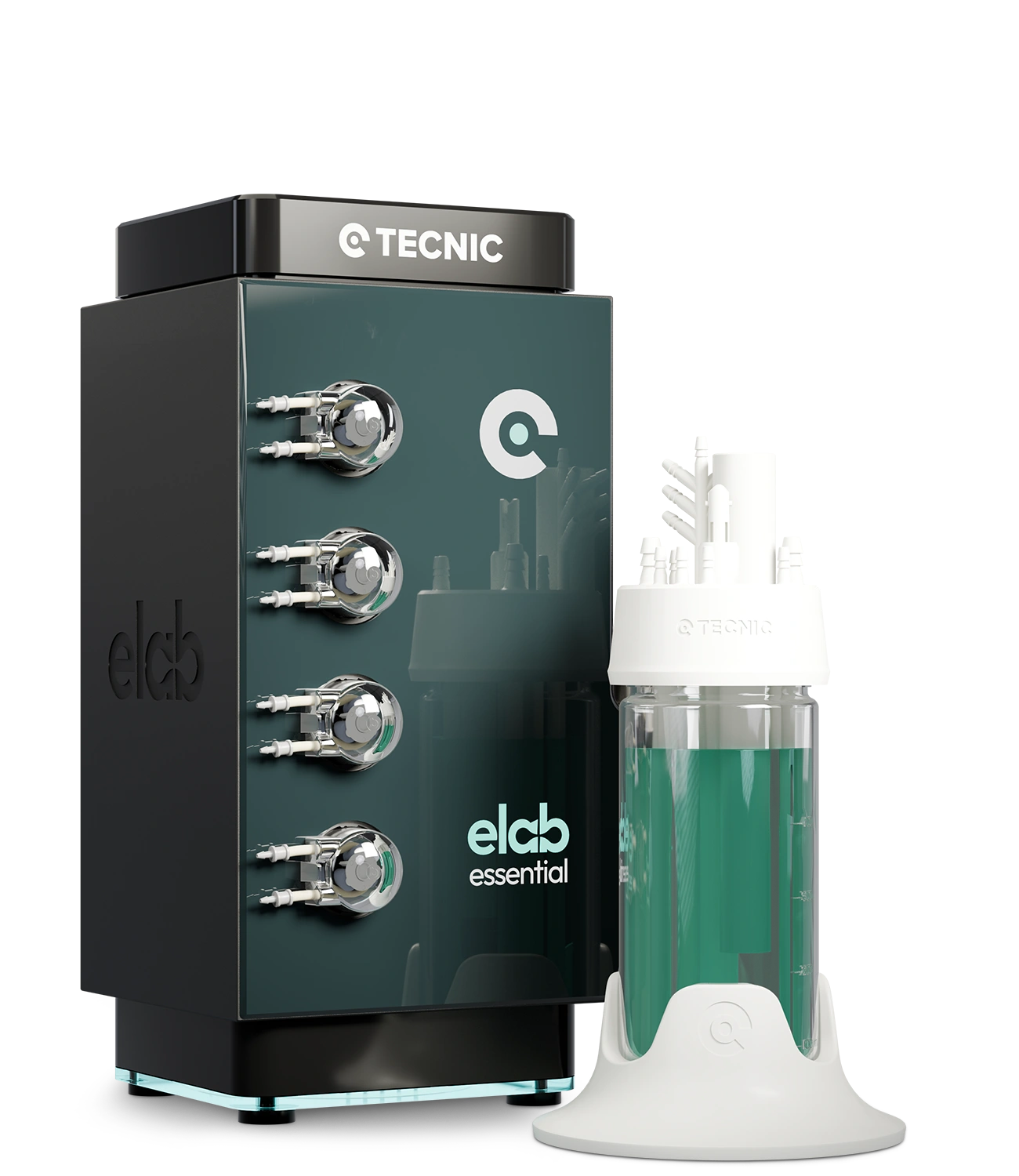
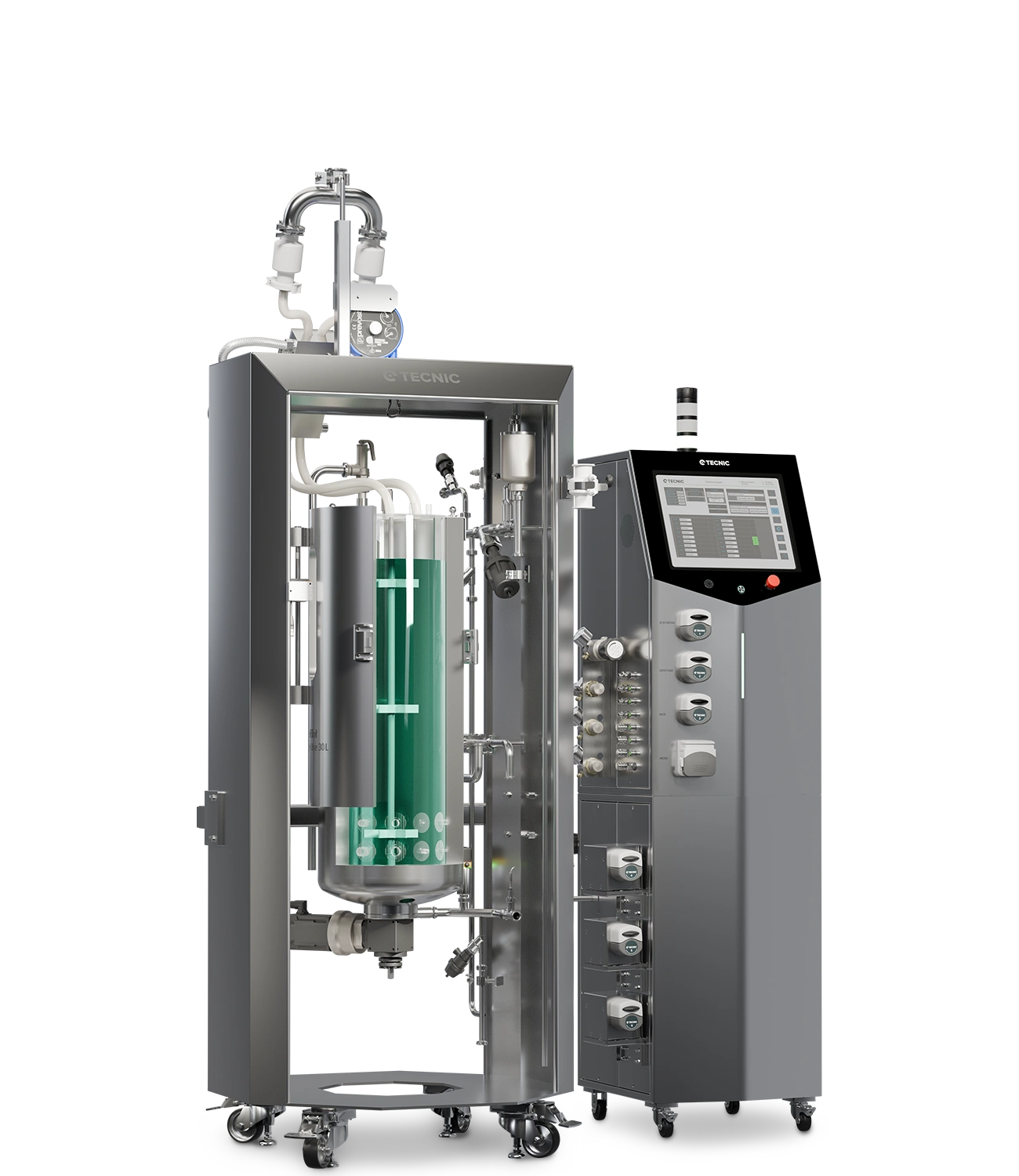
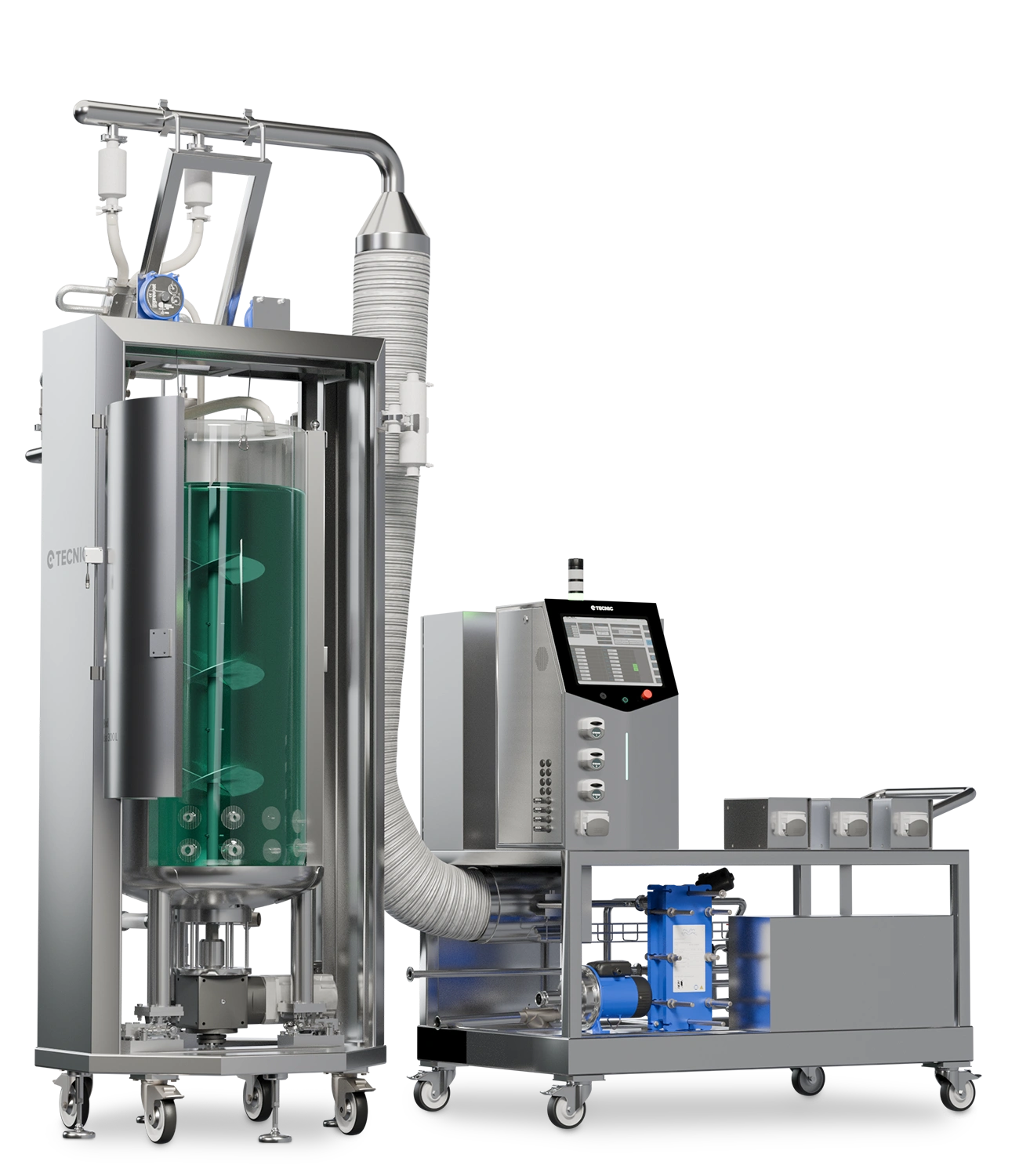
Single use double purpose Bioreactor
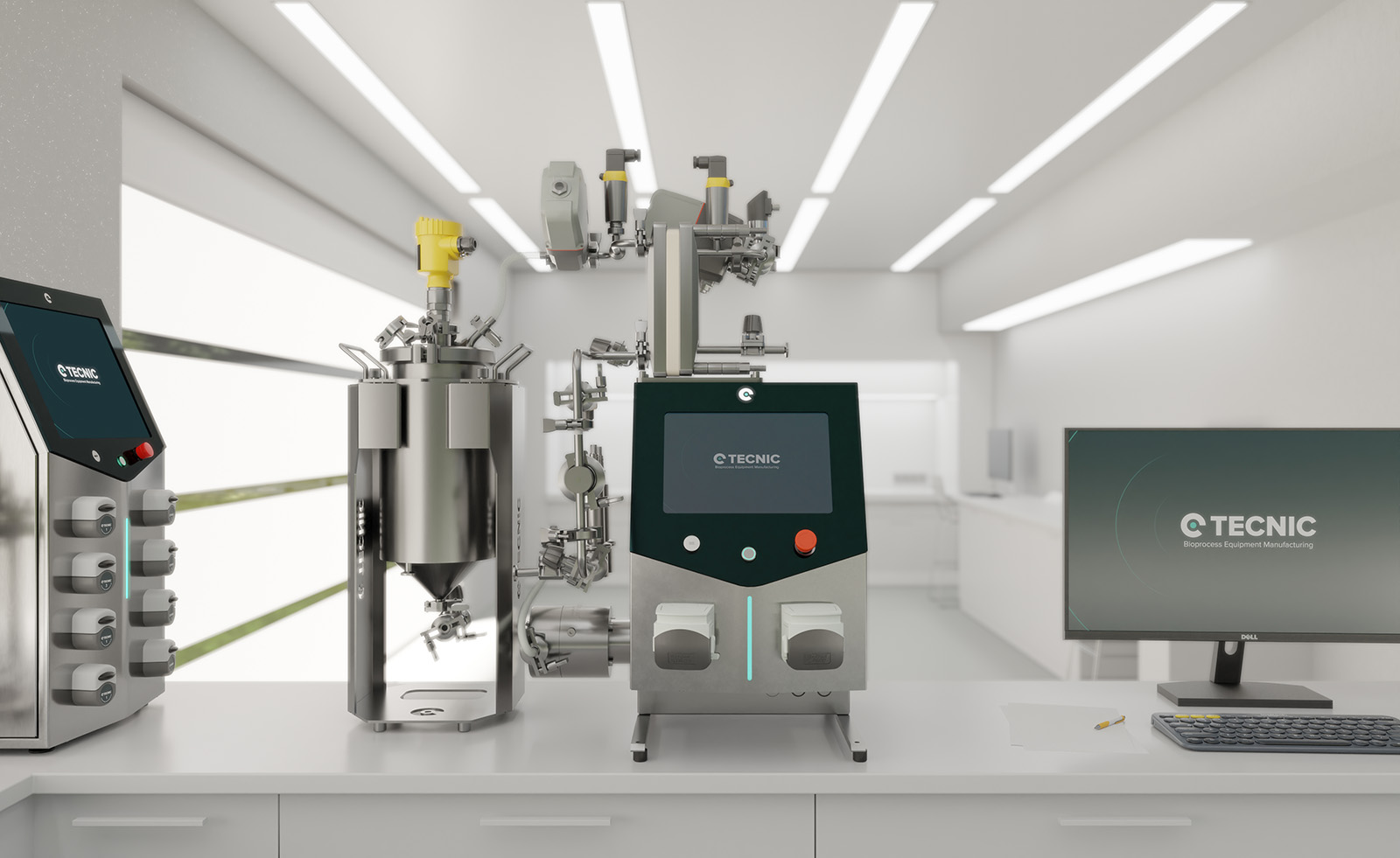
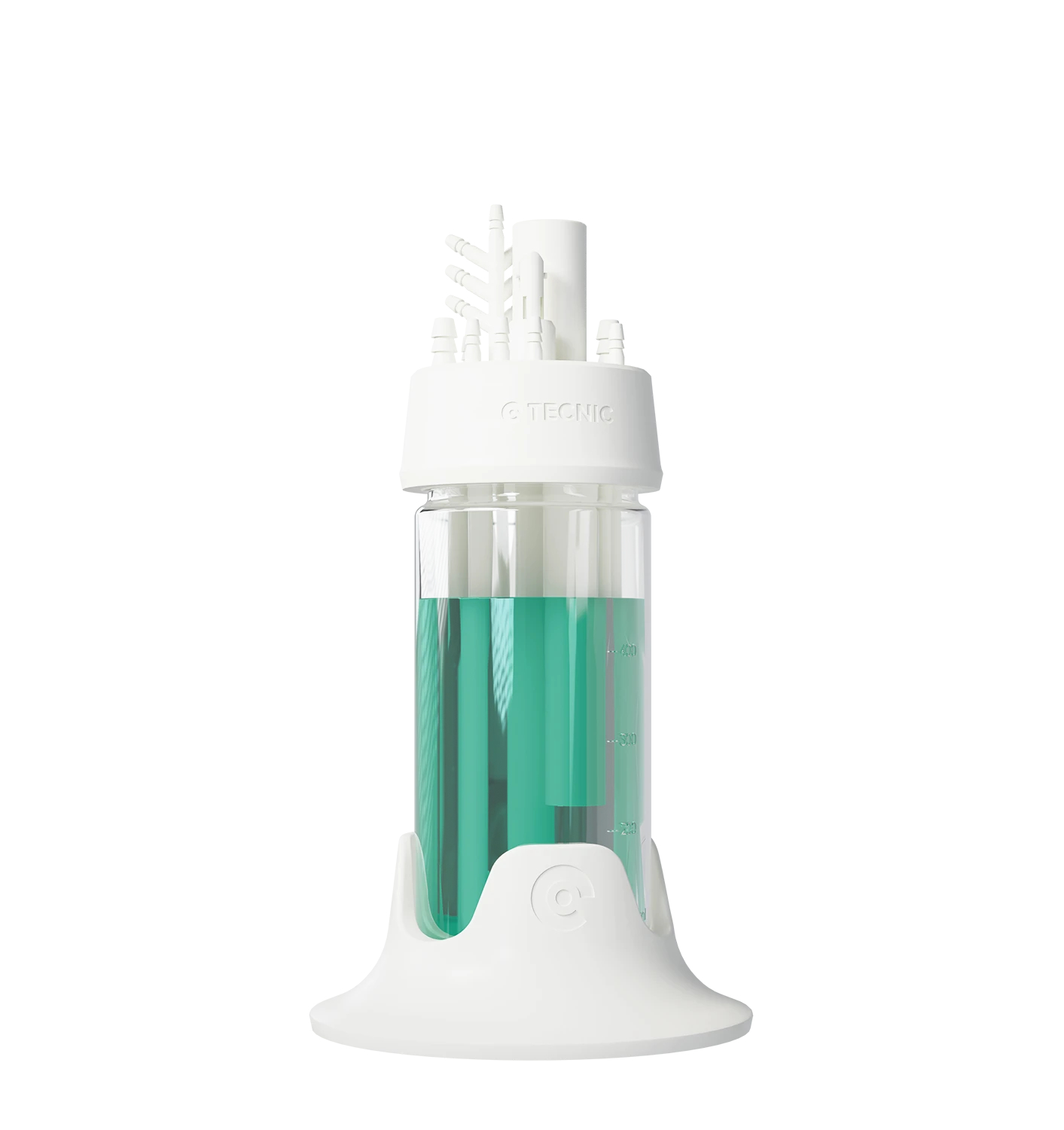
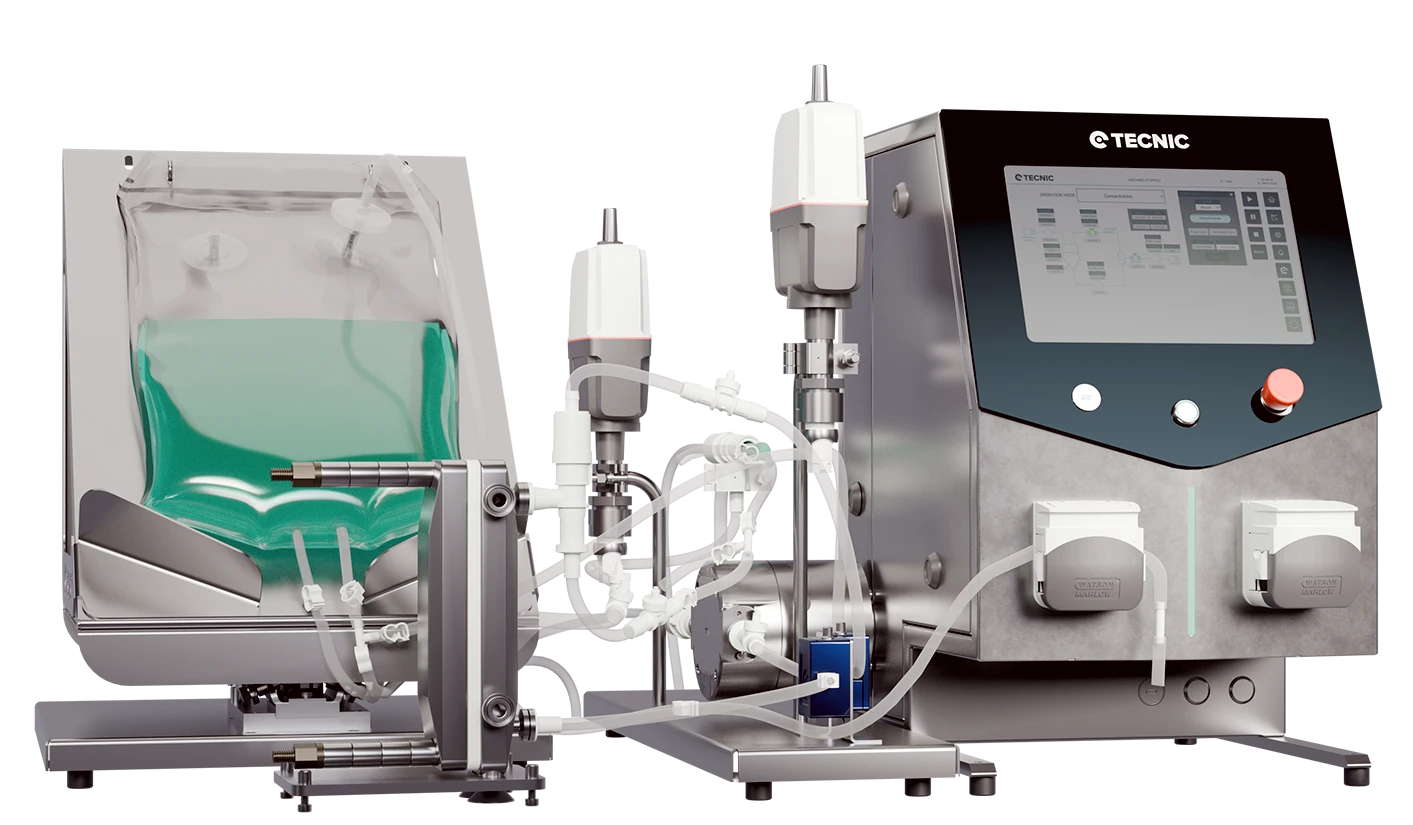
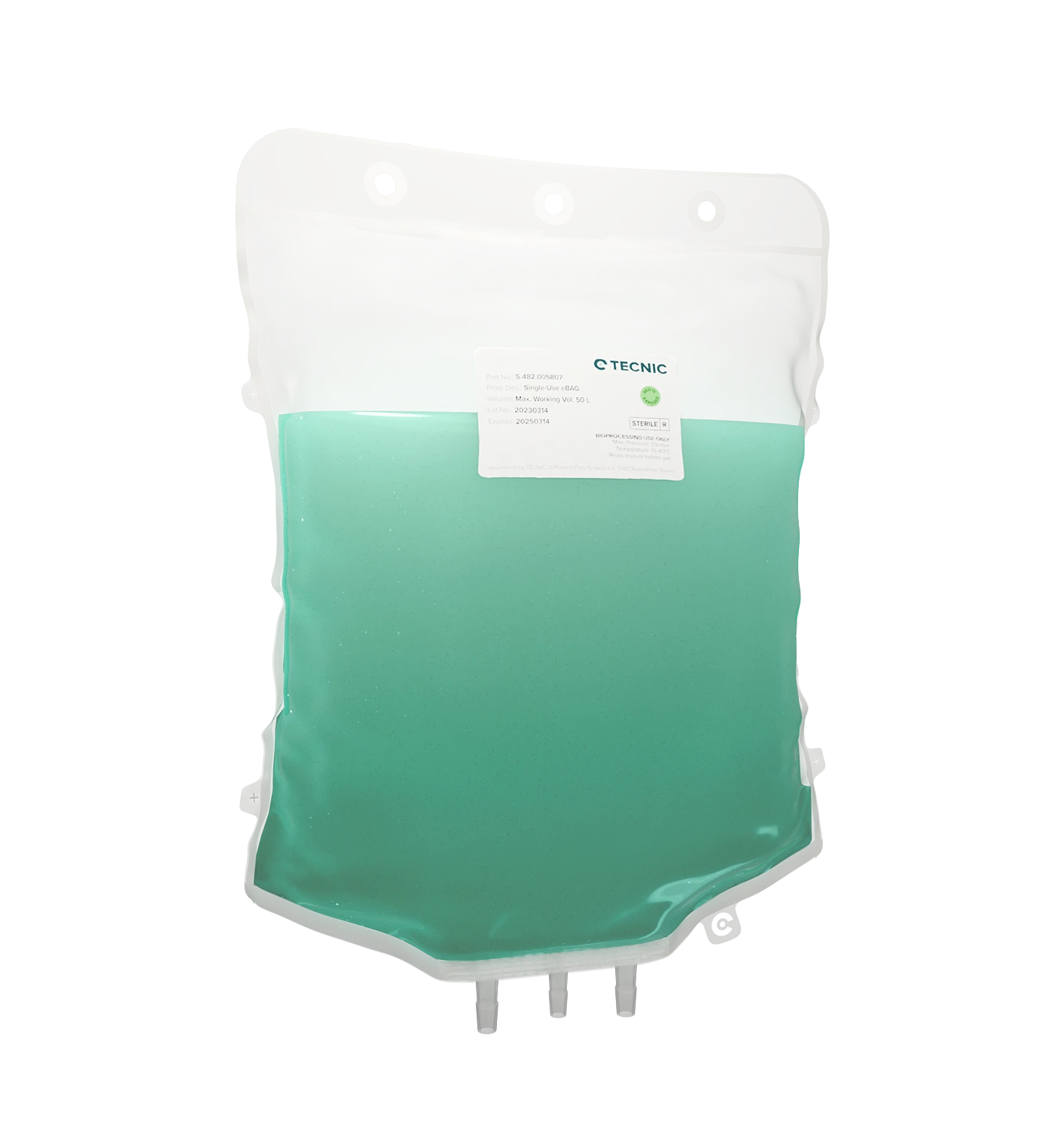
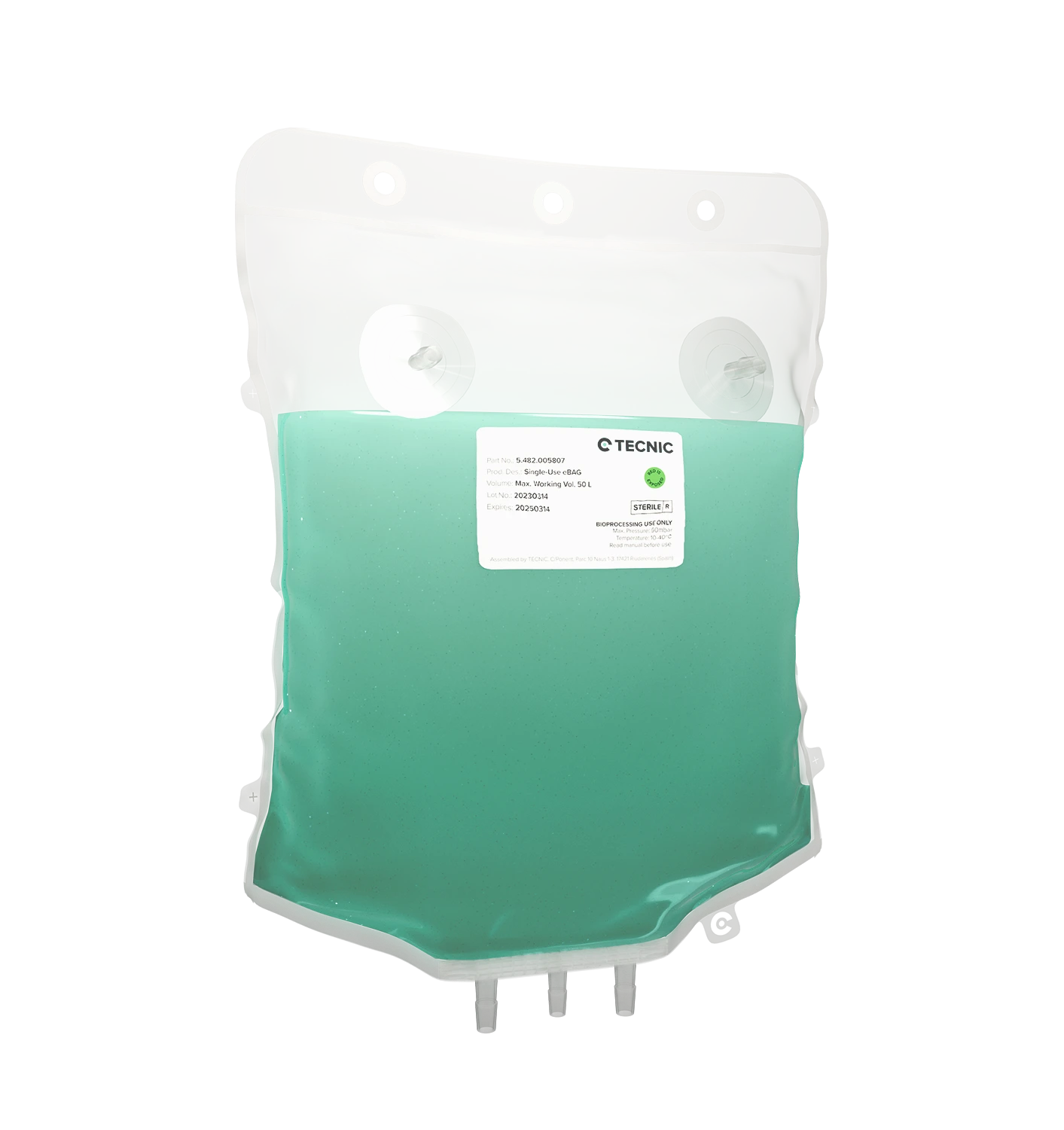
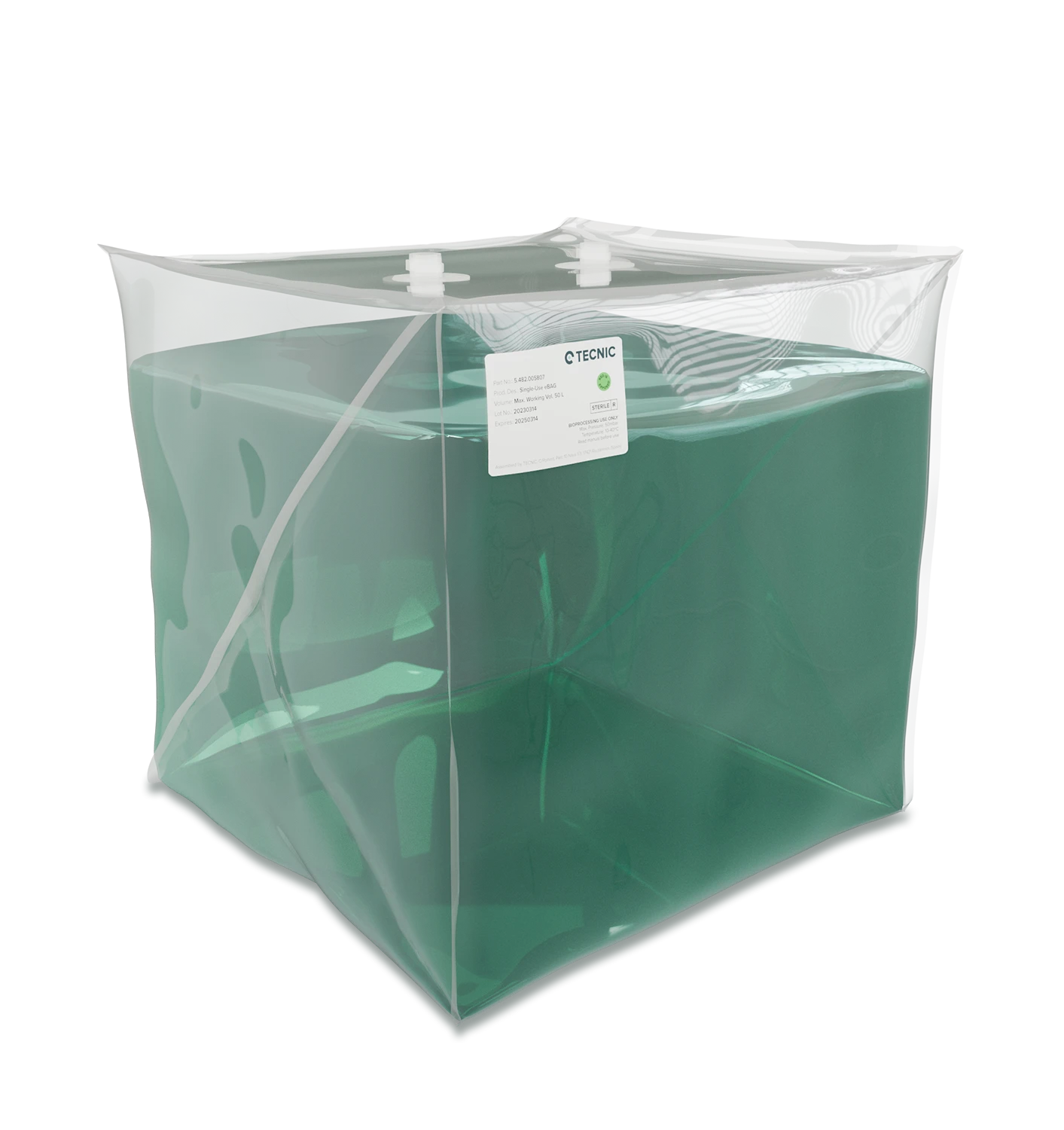
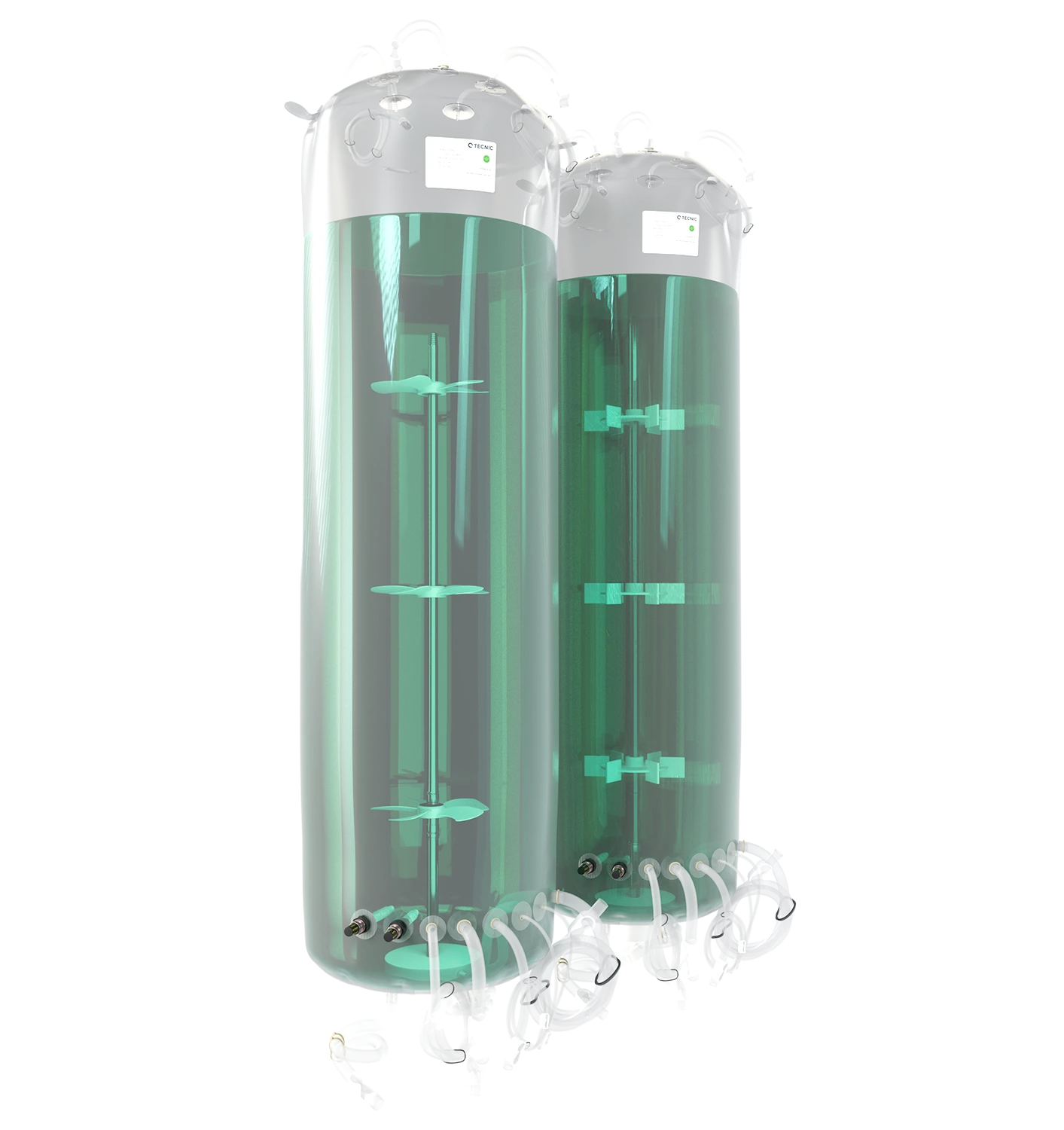
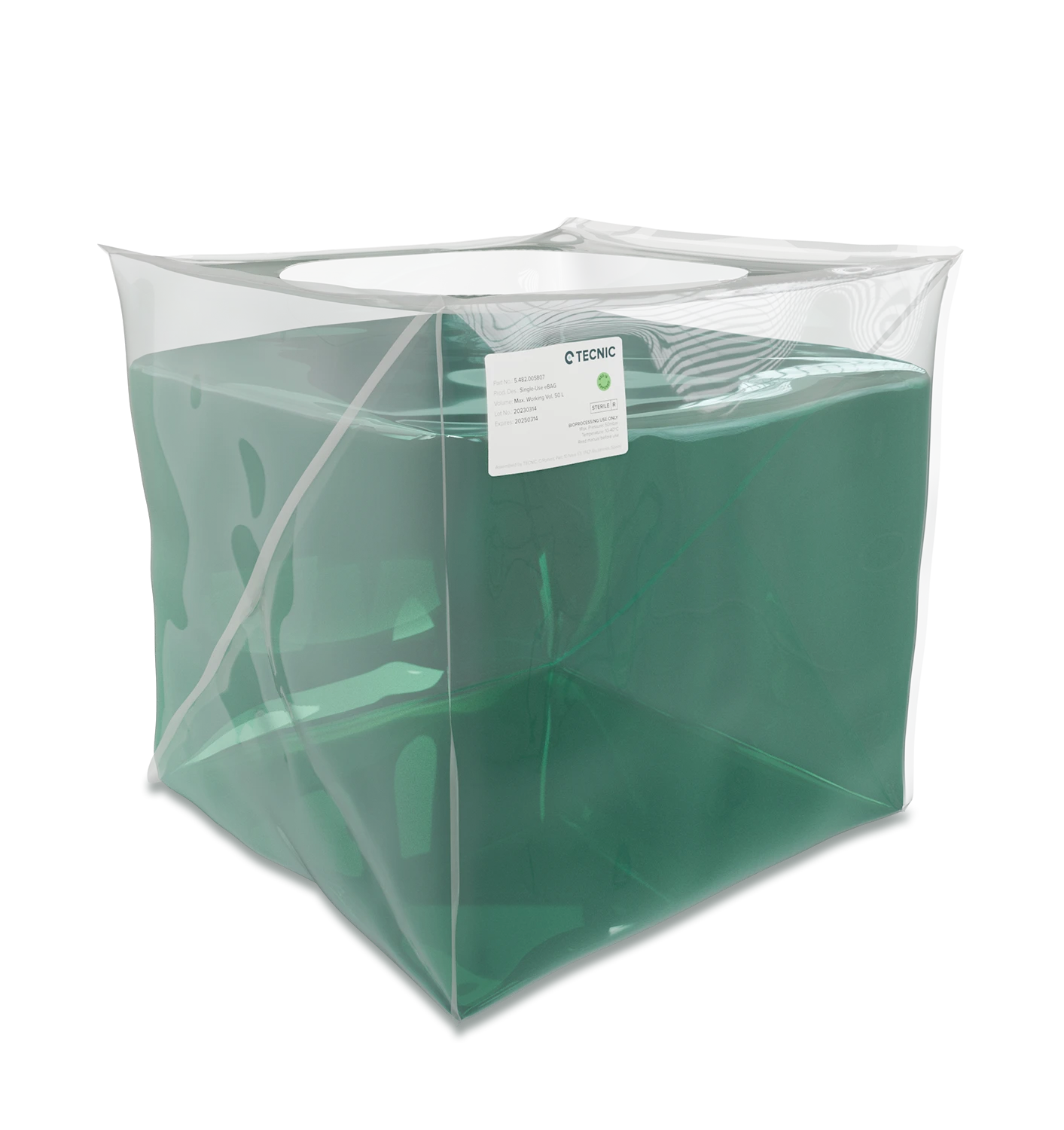
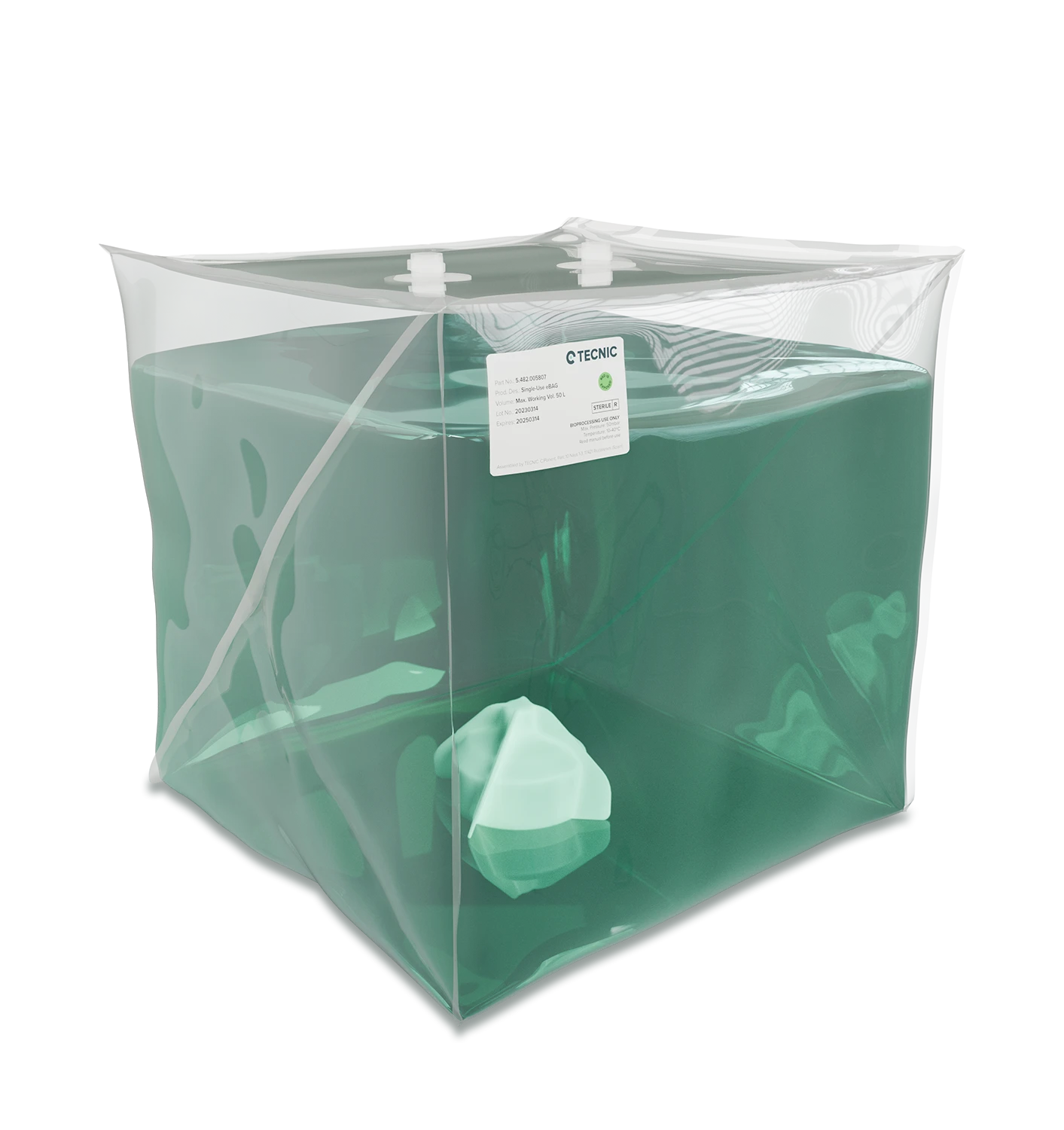
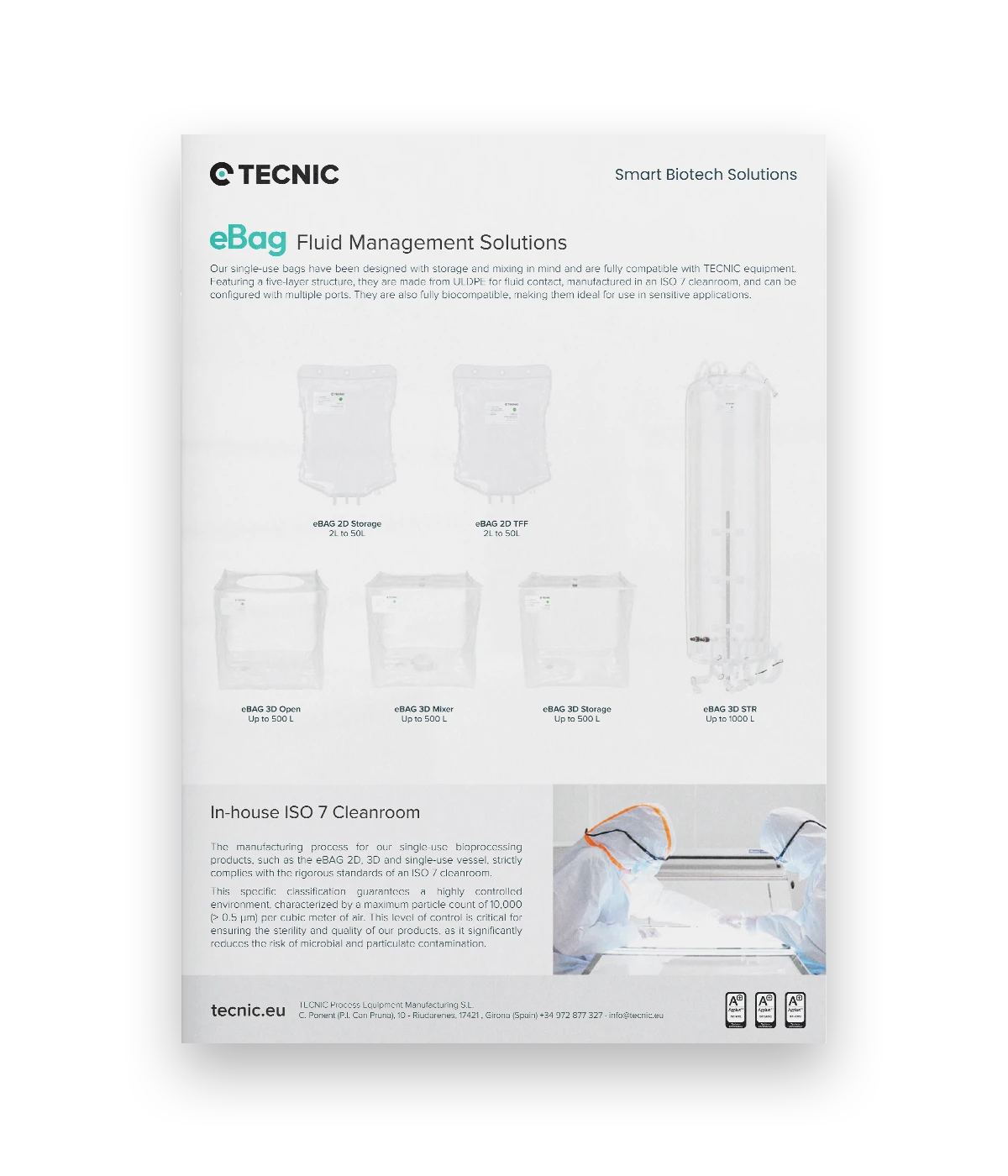
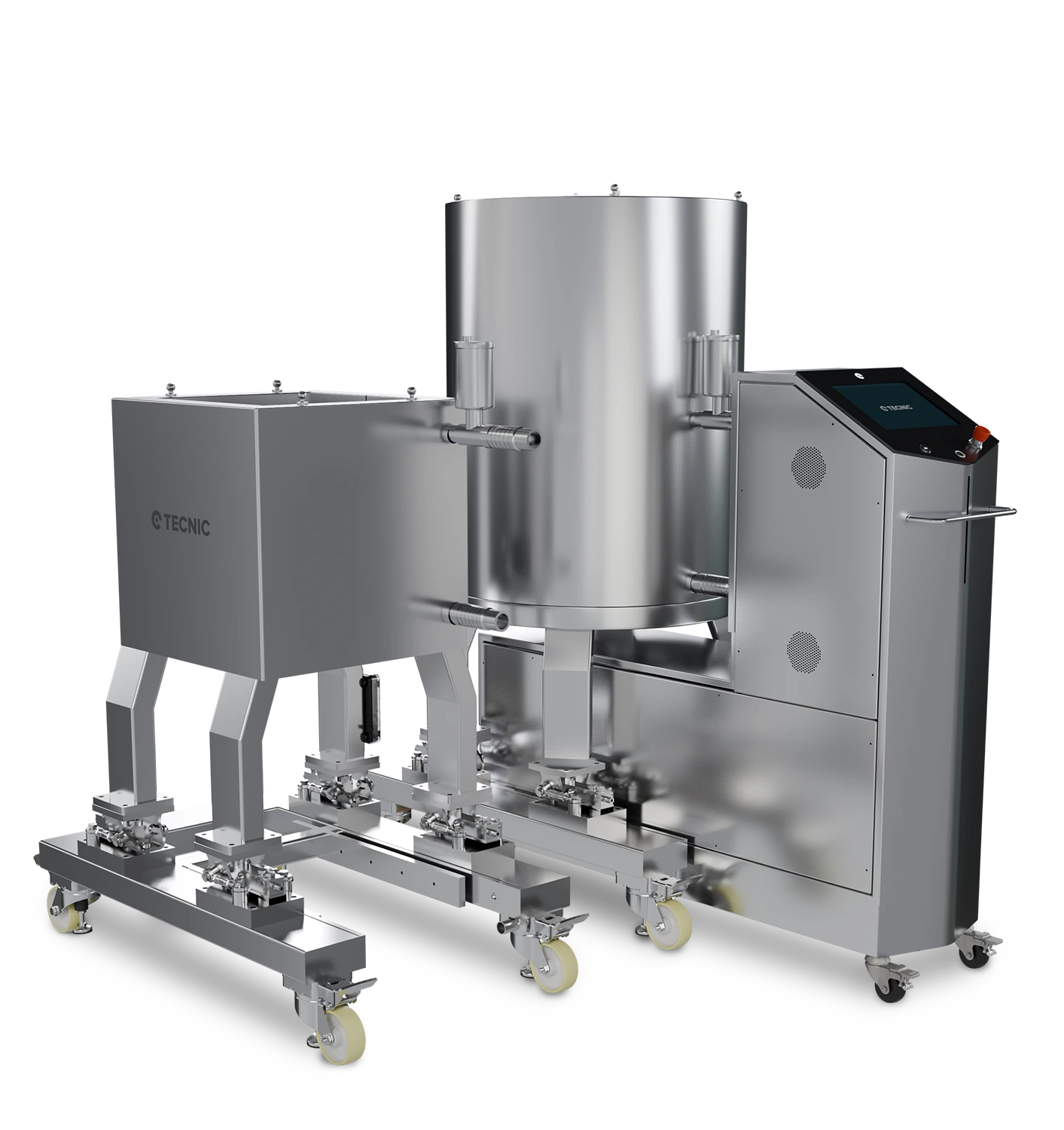
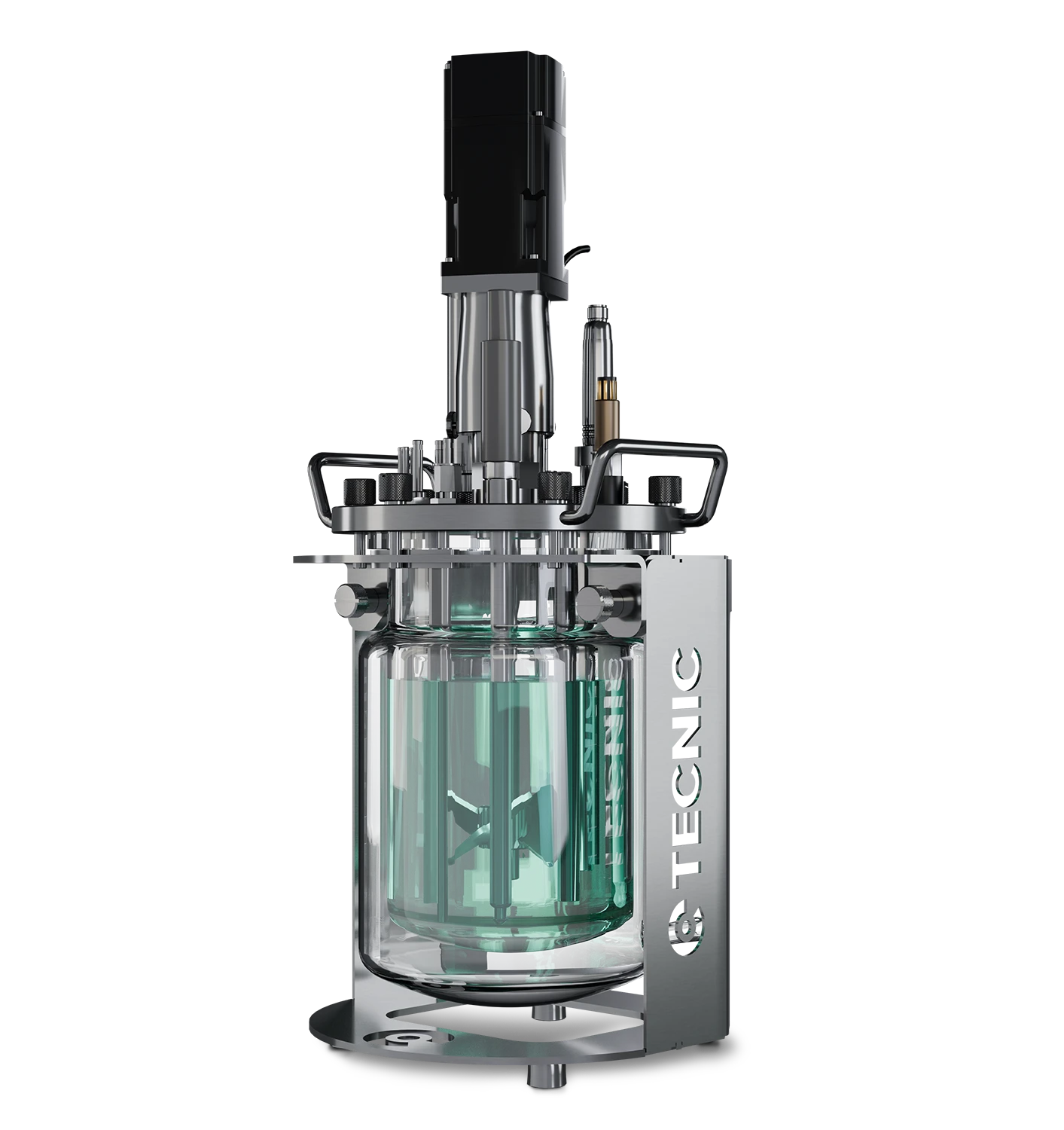
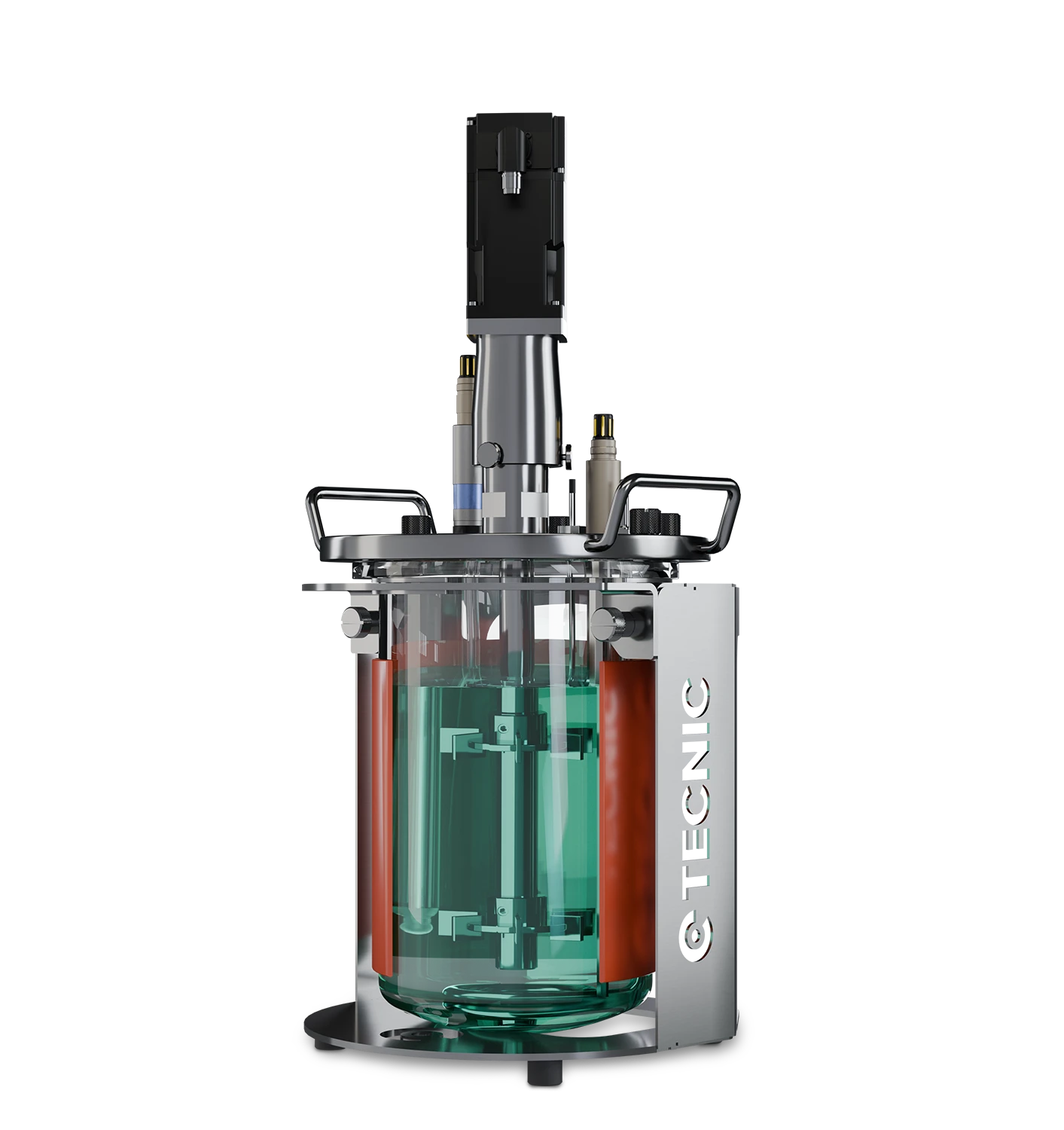
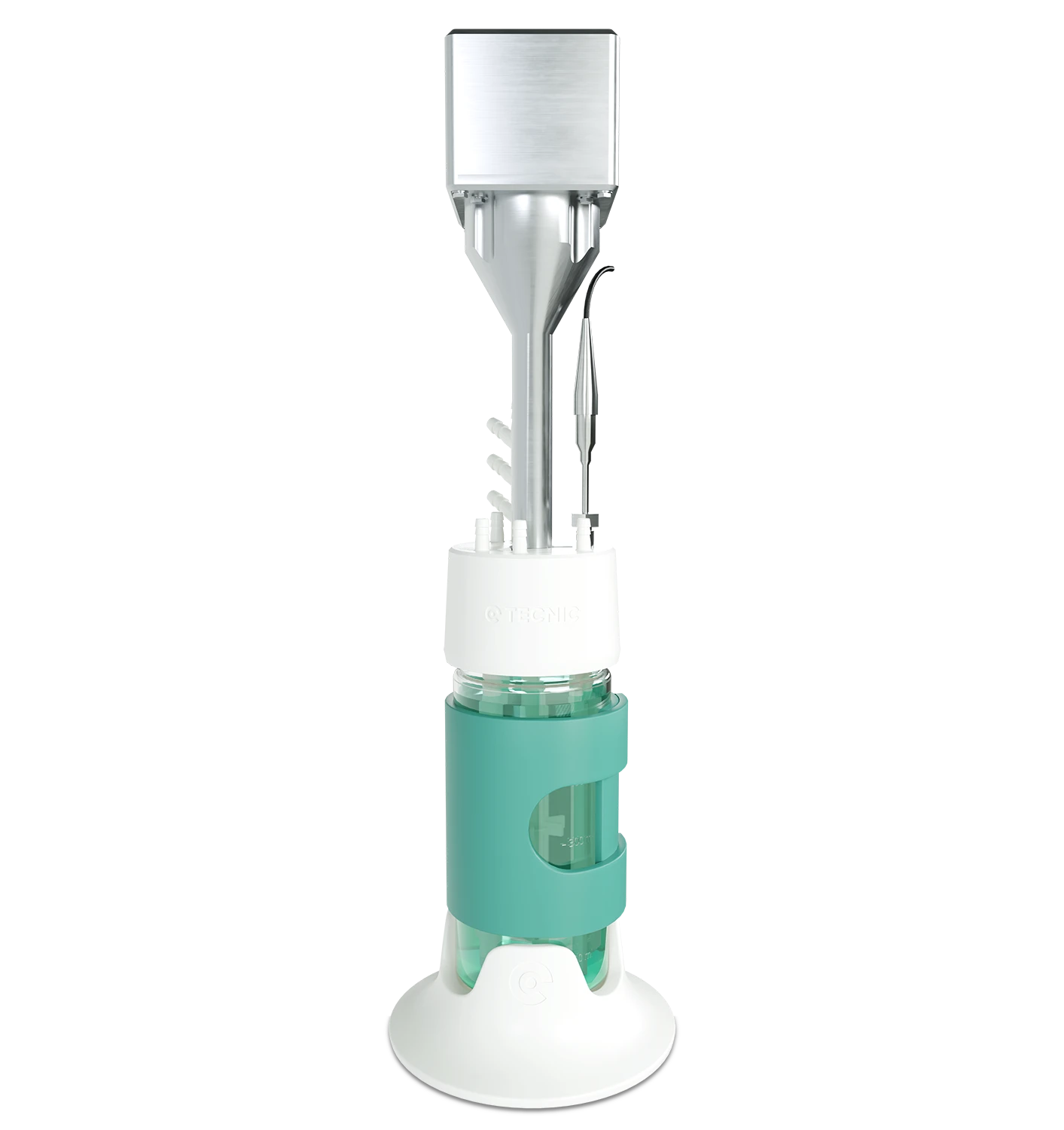
eProd Bioreactor SU is a stirred tank reactor with a single-use bag (eBAG 3D STR), designed for cell culture and microbial fermentation processes at 300 L and 1000 L scales. It combines a stainless steel vessel with a jacket for thermal control, mechanical agitation and an automation system geared towards operation and traceability.
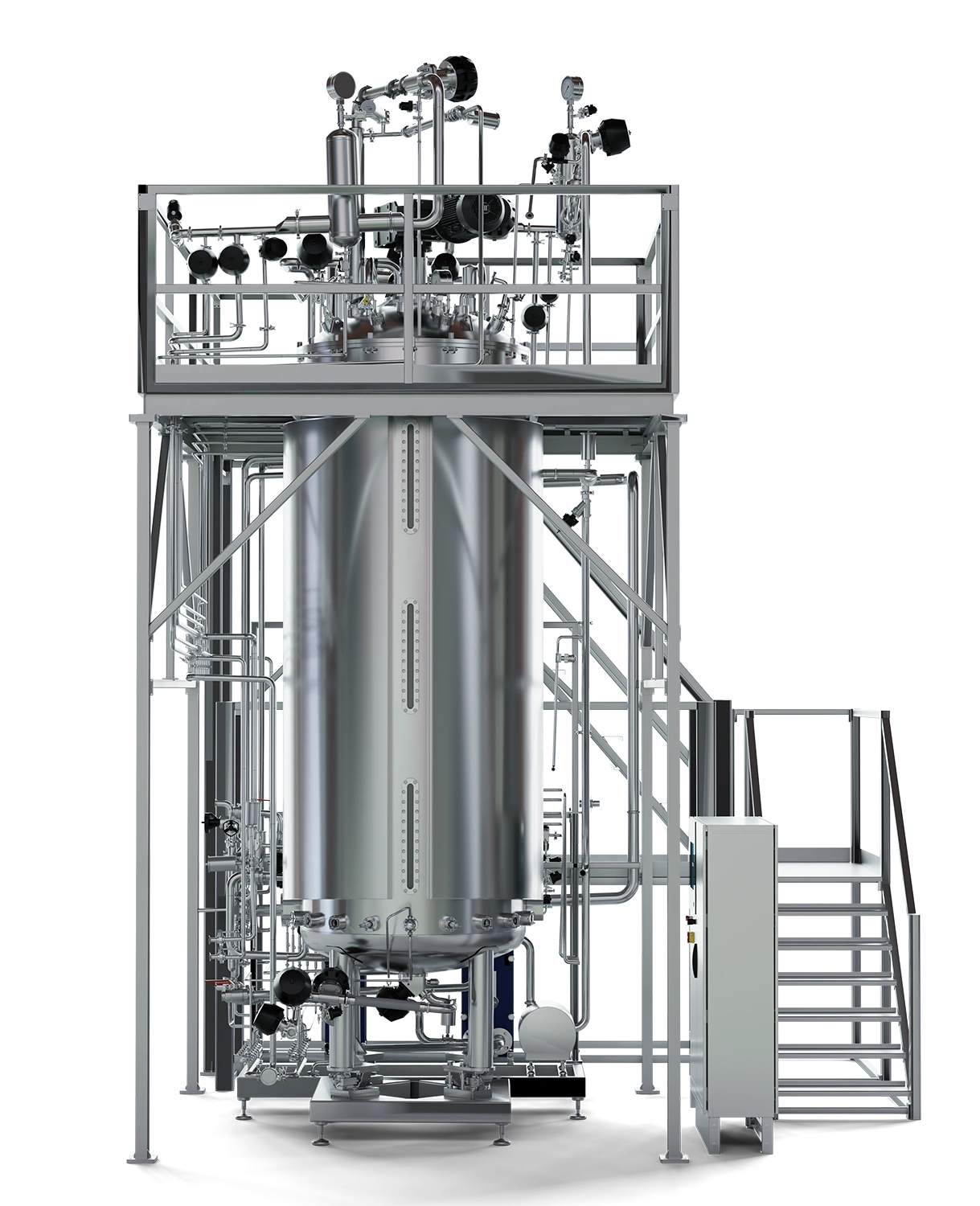
eProd Bioreactor
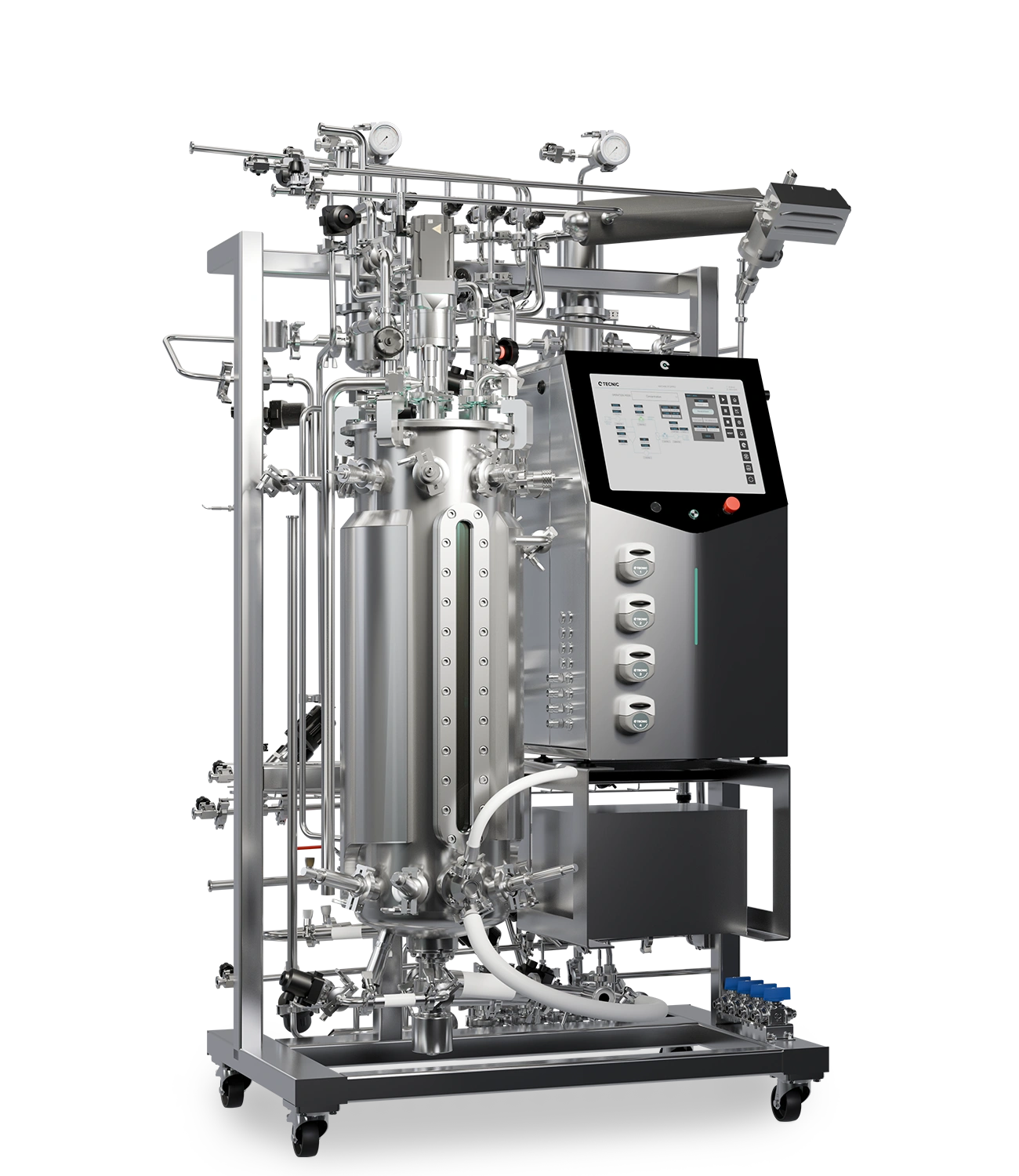
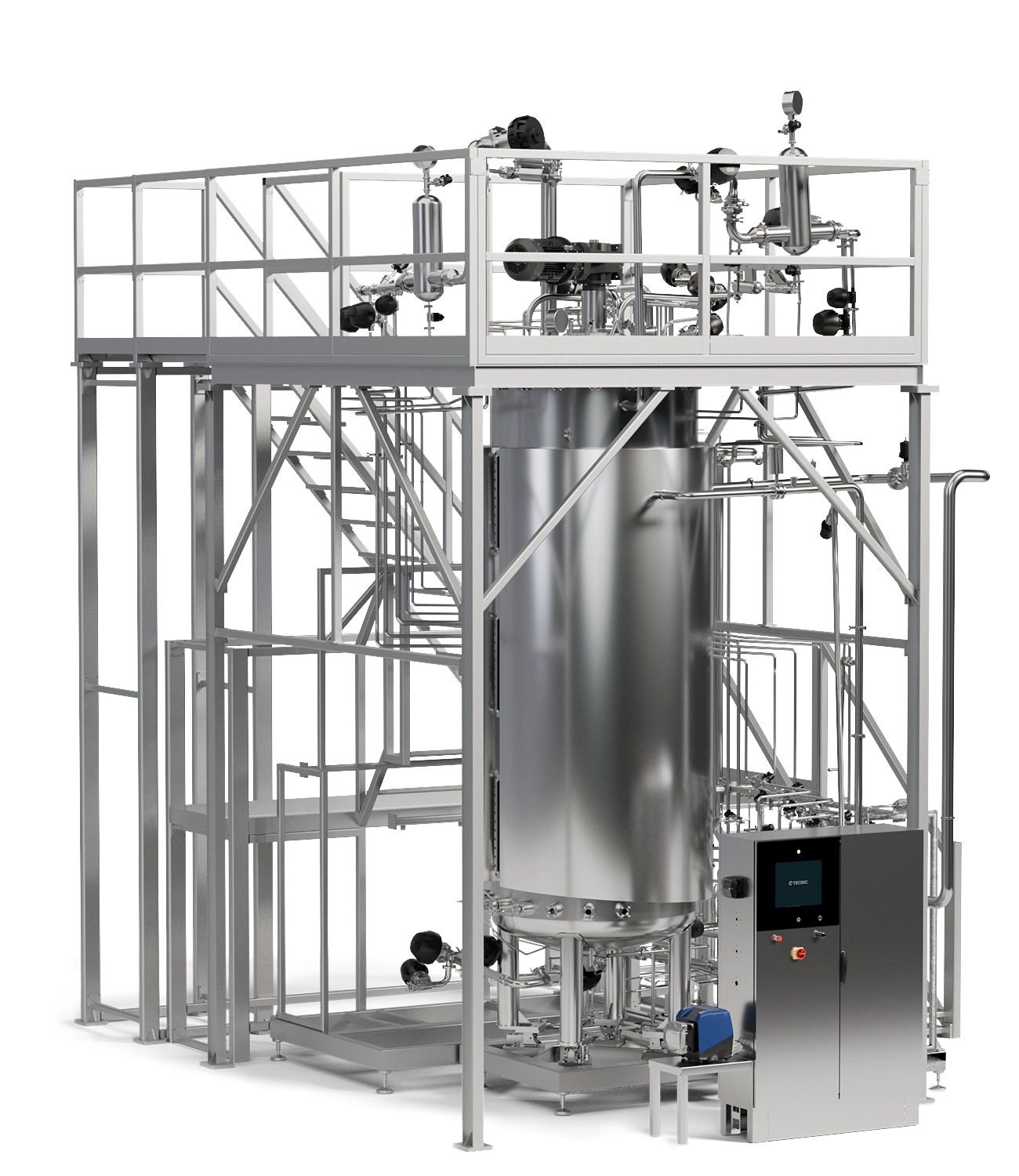
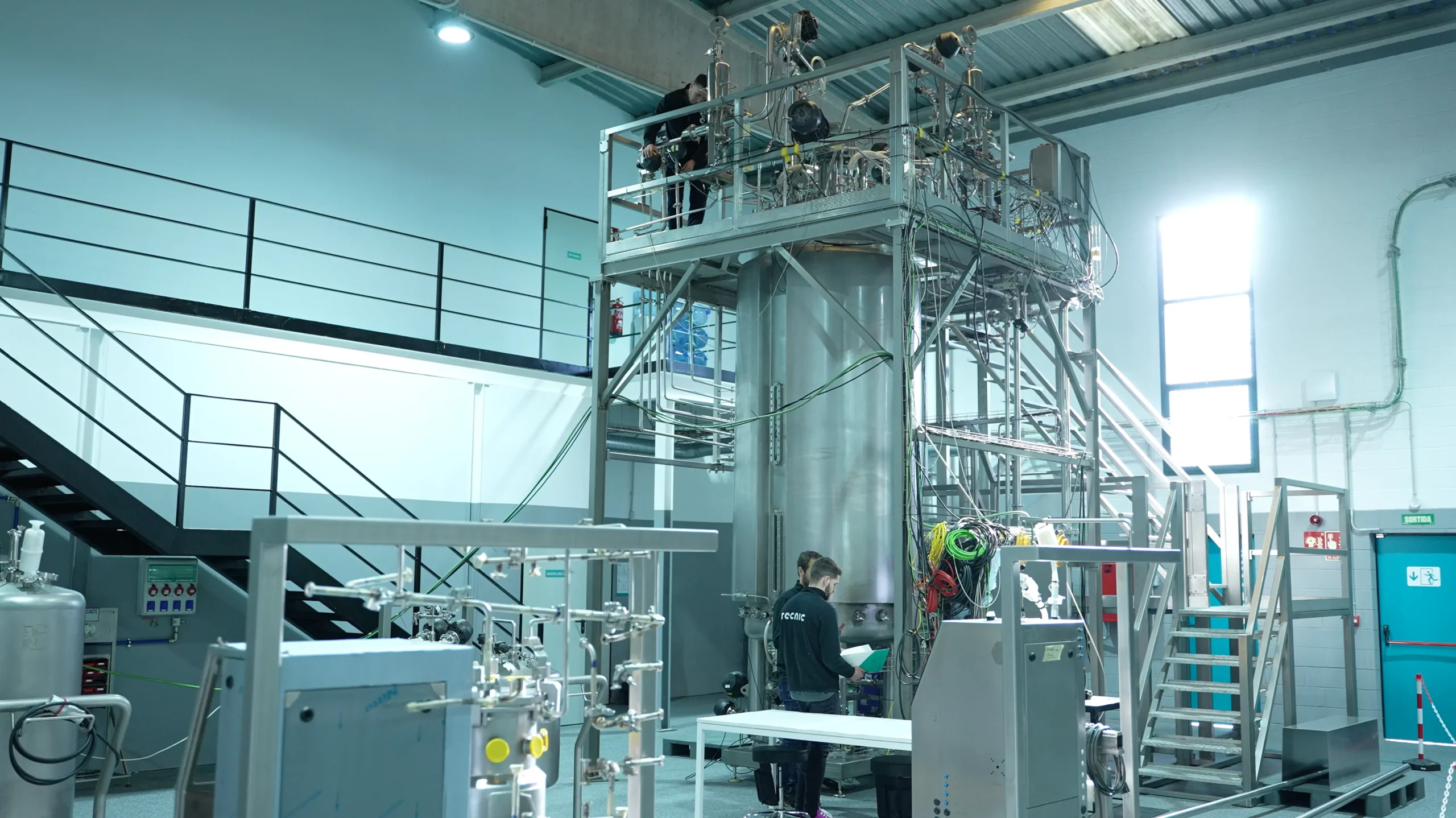
Industrial stirred-tank bioreactor for microbial and cell culture processes, with automation, CIP/SIP and plant-ready integration.
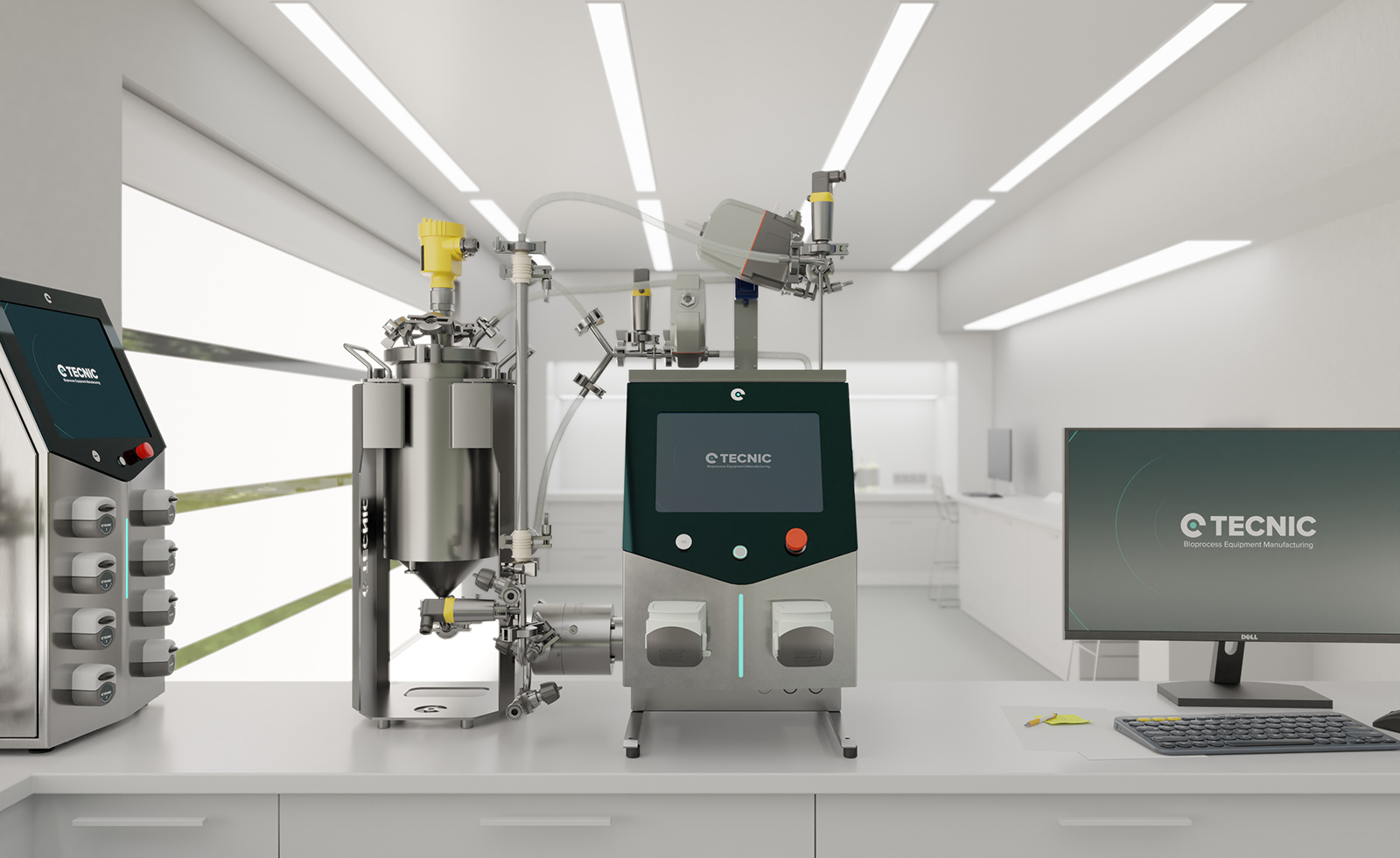
The eProd bioreactor is an industrial stainless steel bioreactor platform for upstream production, designed for both microbial fermentation and cell culture processes. It is available in working volumes from 100 to 2000 L and integrates vessel, agitation, thermal control, gas distribution, instrumentation and automation in a compact system for industrial and GMP environments. Depending on the process configuration, the platform adapts geometry, impellers and aeration strategy while maintaining a consistent control architecture with PLC, HMI/eSCADA and OPC integration
Working volume range
Application-optimised geometry
Agitation with asynchronous motor
Gas management
SIP with external steam
Industrial control with PLC (Siemens)
Available configurations (Microbial / Cell Culture)
| Configuration | Topic | Details |
|---|---|---|
| Microbial | Geometry | Typical vessel geometry H:D ≈ 3:1 to promote aeration, mixing and thermal control in fermentation processes. |
| Microbial | Agitation system | High-efficiency agitation with 3× 6-blade Rushton impellers (turbine) and 4 deflectors (baffles) to increase turbulence and oxygen transfer. |
| Microbial | DO control strategy | Cascade DO control (depending on configuration) using RPM, air flow and O₂ enrichment, with optional N₂ integration when required. |
| Microbial | Process focus | Designed for high oxygen transfer rates (OTR) and processes with high metabolic demand. |
| Cell culture | Geometry | Typical vessel geometry H:D ≈ 2:1 for low shear conditions and stable process control in cell culture applications. |
| Cell culture | Agitation system | Agitation with 2× pitched-blade impellers to minimise mechanical stress and support gentle, repeatable mixing. |
| Cell culture | Gas management | MFC-based gas management for air, O₂, N₂ and CO₂ (depending on configuration) for DO and pH control, with optional CO₂ for advanced pH control strategies. |
| Cell culture | Process focus | Designed for low shear operation and robust pH/DO control with high repeatability batch after batch. |
Configuration details may vary depending on project scope, vessel size and selected options.
Main specifications
Below, you can explore the main specifications and key design details of the system, organised by topic for quick review.
Models and capacities
Working volume (WV) values for the eProd bioreactor range. Total volume includes headspace for foam, gas handling and process operation. Configurations are available for microbial and cell culture applications.
WV (L)
100
Total volume (L)
125
Min. WV (L)
15
H:D (MB / CC)
3:1 / 2:1
Impellers (MB / CC)
3× Rushton / 2× Pitched
Deflectors
Yes (MB) / No (CC)
WV (L)
200
Total volume (L)
250
Min. WV (L)
30
H:D (MB / CC)
3:1 / 2:1
Impellers (MB / CC)
3× Rushton / 2× Pitched
Deflectors
Yes (MB) / No (CC)
WV (L)
400
Total volume (L)
500
Min. WV (L)
60
H:D (MB / CC)
3:1 / 2:1
Impellers (MB / CC)
3× Rushton / 2× Pitched
Deflectors
Yes (MB) / No (CC)
WV (L)
1000
Total volume (L)
1250
Min. WV (L)
150
H:D (MB / CC)
3:1 / 2:1
Impellers (MB / CC)
3× Rushton / 2× Pitched
Deflectors
Yes (MB) / No (CC)
WV (L)
2000
Total volume (L)
2500
Min. WV (L)
300
H:D (MB / CC)
3:1 / 2:1
Impellers (MB / CC)
3× Rushton / 2× Pitched
Deflectors
Yes (MB) / No (CC)
MB = microbial, CC = cell culture. Values shown correspond to working volume and standard configuration logic by application.
Agitation, RPM and motor power
Agitation capacity and motor power by working volume, with differentiated values for microbial and cell culture configurations. Operating limits can be adjusted in control to protect process conditions and shear-sensitive applications.
agitation and motor powerWV (L)
100
Max RPM MB
680
Max RPM CC
120
MB motor (kW)
0.75
CC motor (kW)
0.19
Max / typical P/V
MB: 7.50 W/L, CC: 0.6 W/L
Notes
High microbial agitation capacity and low-shear cell culture setup for process flexibility.
WV (L)
200
Max RPM MB
560
Max RPM CC
100
MB motor (kW)
1.0
CC motor (kW)
0.25
Max / typical P/V
MB: 5.00 W/L, CC: 0.5 W/L
Notes
Balanced pilot-to-production geometry with separate agitation profiles for each application.
WV (L)
400
Max RPM MB
480
Max RPM CC
85
MB motor (kW)
2.0
CC motor (kW)
0.55
Max / typical P/V
MB: 5.00 W/L, CC: 0.4 W/L
Notes
Configured for strong mixing in fermentation and controlled shear in cell culture.
WV (L)
1000
Max RPM MB
391
Max RPM CC
70
MB motor (kW)
4.75
CC motor (kW)
1.3
Max / typical P/V
MB: 4.75 W/L, CC: 0.3 W/L
Notes
Production-scale agitation with precise RPM control and application-specific impeller setup.
WV (L)
2000
Max RPM MB
335
Max RPM CC
60
MB motor (kW)
9.5
CC motor (kW)
2.5
Max / typical P/V
MB: 4.75 W/L, CC: 0.25 W/L
Notes
High-capacity platform designed for repeatable mixing performance at industrial scale.
MB = microbial, CC = cell culture. P/V values are reference values for comparing agitation intensity. Actual P/V depends on impeller geometry, medium viscosity/density and operating point.
Flow meters/MFCs, aeration and gas ranges (inlet)
Typical inlet gas flow ranges by working volume and application, with differentiated MFC ranges for microbial and cell culture configurations. Values are indicative and depend on the selected configuration and control strategy.
WV (L)
100
Air MB
0–150
Air CC
0–10
O₂ MB
0–150
O₂ CC
0–1
N₂ MB
0–150
N₂ CC
0–1
CO₂ MB
0–50
CO₂ CC
0–1
WV (L)
200
Air MB
0–300
Air CC
0–20
O₂ MB
0–300
O₂ CC
0–2
N₂ MB
0–300
N₂ CC
0–2
CO₂ MB
0–100
CO₂ CC
0–2
WV (L)
400
Air MB
0–600
Air CC
0–40
O₂ MB
0–600
O₂ CC
0–4
N₂ MB
0–600
N₂ CC
0–4
CO₂ MB
0–200
CO₂ CC
0–4
WV (L)
1000
Air MB
0–1250
Air CC
0–100
O₂ MB
0–1250
O₂ CC
0–10
N₂ MB
0–1250
N₂ CC
0–10
CO₂ MB
0–500
CO₂ CC
0–10
WV (L)
2000
Air MB
0–2000
Air CC
0–200
O₂ MB
0–2000
O₂ CC
0–20
N₂ MB
0–2000
N₂ CC
0–20
CO₂ MB
0–1000
CO₂ CC
0–20
Ranges in NL/min (normal conditions). In microbial processes, N₂ and CO₂ may be used in advanced pO₂ and pH strategies depending on configuration. In cell culture, CO₂ is commonly used for pH control depending on the selected strategy.
- MFC calibration: factory calibrated.
- Operating range: from ±2% of selected full scale to the maximum of the MFC range.
- Accuracy: ±(1% of measured value + 0.5% FS).
- Maximum working pressure: 6 barg.
- Sterile gas filtration: 0.2 µm cartridge at inlet.
Performance, oxygen transfer (kLa) and mixing efficiency
Indicative oxygen transfer and mixing performance under reference conditions (commercial guidance). Final values depend on medium, viscosity, antifoam, gas strategy, pressure and operating point.
WV (L)
100
Recommended air vvm (MB / CC)
0.10–1.50 / 0.01–0.10
P/V (MB / CC) W/L
7.5 / 0.6
kLa est. MB (h⁻¹)
137
kLa est. CC (h⁻¹)
25–40
WV (L)
200
Recommended air vvm (MB / CC)
0.10–1.50 / 0.01–0.10
P/V (MB / CC) W/L
5.00 / 0.5
kLa est. MB (h⁻¹)
117
kLa est. CC (h⁻¹)
20–35
WV (L)
400
Recommended air vvm (MB / CC)
0.10–1.50 / 0.01–0.10
P/V (MB / CC) W/L
5.00 / 0.4
kLa est. MB (h⁻¹)
117
kLa est. CC (h⁻¹)
18–30
WV (L)
1000
Recommended air vvm (MB / CC)
0.10–1.25 / 0.01–0.10
P/V (MB / CC) W/L
4.75 / 0.3
kLa est. MB (h⁻¹)
104
kLa est. CC (h⁻¹)
15–25
WV (L)
2000
Recommended air vvm (MB / CC)
0.10–1.00 / 0.01–0.10
P/V (MB / CC) W/L
4.75 / 0.25
kLa est. MB (h⁻¹)
93
kLa est. CC (h⁻¹)
12–20
kLa values are indicative estimates under reference conditions (water/air, 1 atm, high operating point) and should be used as a commercial guide. For guaranteed values by size and configuration, request a performance report.
- Microbial mode (MB): the recommended vvm window is indicative for stable operation and may vary depending on process strategy.
- Cell culture mode (CC): lower shear operation is prioritised, with repeatable pH and DO control depending on gas and agitation settings.
- OTR optimisation: microspargers, pressure increase and O₂ enrichment can significantly improve oxygen transfer in microbial processes.
- Process confirmation: final productivity (titre, g/L, growth rate) depends on strain/cell line and the customer process.